Two Coasts, One Taffy Feud: A Cross-Country Taste Test of America's Sweetest Rivalry

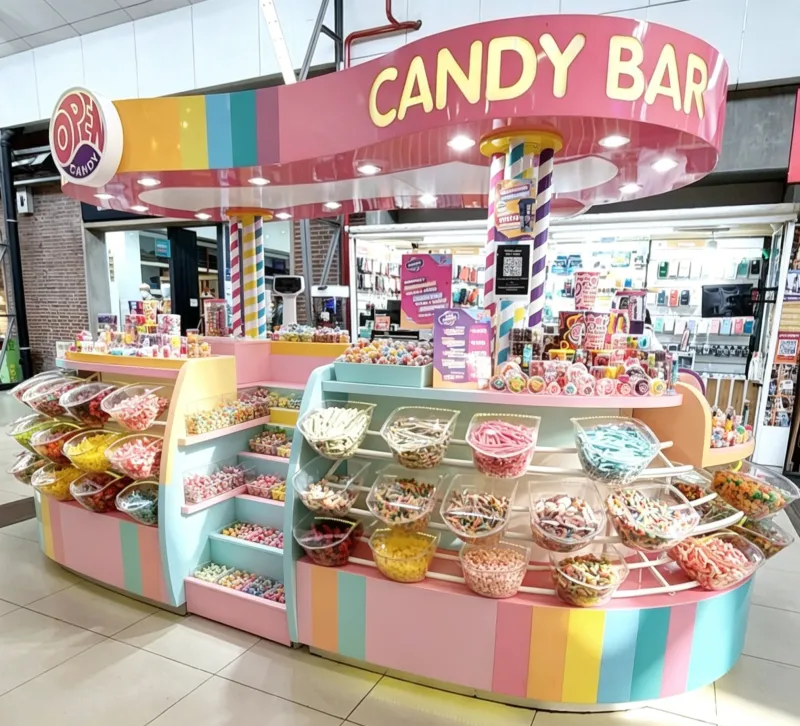
Photo: saltwater taffy assortment candy shop display, via www.totalprosports.com
Ask a candy shop owner in Atlantic City about saltwater taffy and you'll get a history lesson. Ask one in Santa Monica and you'll get a raised eyebrow. Same candy, same country, two completely different opinions about who's doing it right.
We spent a few weeks calling shops on both coasts — boardwalk stalwarts, small-batch studios, and a couple of places that have been pulling taffy since before either coast had traffic — and what we found wasn't just a recipe difference. It's a whole philosophy of sweetness, and neither side is backing down.
The Taffy Question: Chewy Fight or Soft Surrender?
Start with the obvious battleground. East Coast taffy, particularly the Jersey Shore and Cape Cod varieties, leans firm. It's a candy you work for — a pull that loosens your jaw, a piece that survives the walk down the boardwalk without melting into your fingers. Shop owners in Ocean City and Atlantic City told us, almost word for word, that taffy should "hold its shape."
Out west, the approach is gentler. Southern California shops tend toward a softer, more buttery chew, sometimes with cream percentages that would make a New England taffy puller wince. One owner in Santa Cruz put it bluntly: "East Coast taffy is a workout. Ours is a welcome."
Neither is wrong. But try telling them that.
Fudge: The Texture Fault Line
The fudge divide might be even deeper. Coastal Northeast fudge — think the shops lining Mackinac's spiritual cousins in Cape May and Bar Harbor — is dense, almost fudgy to the point of being sliceable with a plastic spoon and a little determination. It's grainy by design, with sugar crystals you can feel.
West Coast fudge shops, especially in Oregon and Northern California, have drifted toward a smoother, ganache-adjacent texture, influenced by the chocolate-maker boom of the last fifteen years. The result: fudge that melts clean instead of crumbling.
"If my fudge doesn't leave a little something on your teeth, you've made frosting," a third-generation shop owner in Maine told us. A Portland candymaker's rebuttal: "Grain is a mistake you've decided to call tradition."
We're staying out of it. Mostly.
Caramel, and the Word That Started This Whole Site
We'll admit our bias here — J. Carmels was practically built on caramel — so we listened closely to this argument. East Coast caramel tradition runs dark and deep: long cooks, a slightly bitter edge, a snap before the chew. West Coast versions favor a shorter cook, more cream, and a soft, almost saucy finish.
The East Coast camp calls the western style "underdone." The West Coast camp calls the eastern style "burnt with confidence." Both camps, for the record, sell out every weekend.
What Travelers Should Actually Taste
If you're crossing the country this year, here's the honest scorecard from the shop owners we spoke with:
- East Coast: Saltwater taffy at a genuine boardwalk shop (Atlantic City or the Cape), dark-cooked caramels in New England, and any fudge that's been poured on a marble slab in front of you.
- West Coast: Soft-chew taffy from a California beach town, cream-forward caramels from small Portland or Bay Area makers, and sea salt-topped anything — the West Coast put salt on caramel first and they will remind you.
The Rivalry Is the Point
Here's the thing every owner eventually admitted, usually after complaining about the other coast for ten minutes: the arguing is what keeps the traditions alive. A candy style only survives if somebody believes in it fiercely enough to defend it at a trade show, in a family kitchen, or on a comment thread.
So the next time you're handed a piece of taffy on a boardwalk or a caramel in a California candy kitchen, ask the person behind the counter what they think of the other coast. Then settle in. You've got a while — and honestly, you might learn more about American candy from the fight than from the samples.
Just don't tell either side we said they're both right.