Black Licorice: The Candy That Splits Every Counter (and Why We Secretly Love the Fight)
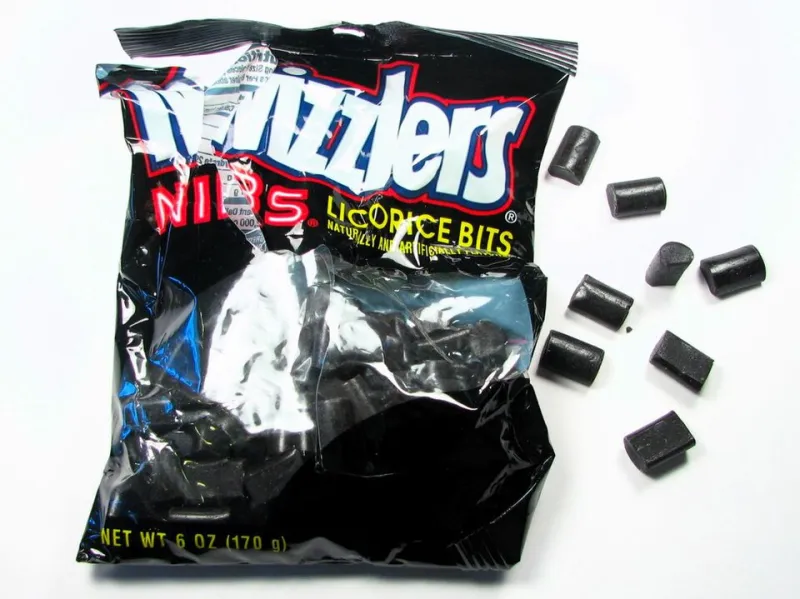
Photo: Windell Oskay, CC BY 2.0, via Wikimedia Commons
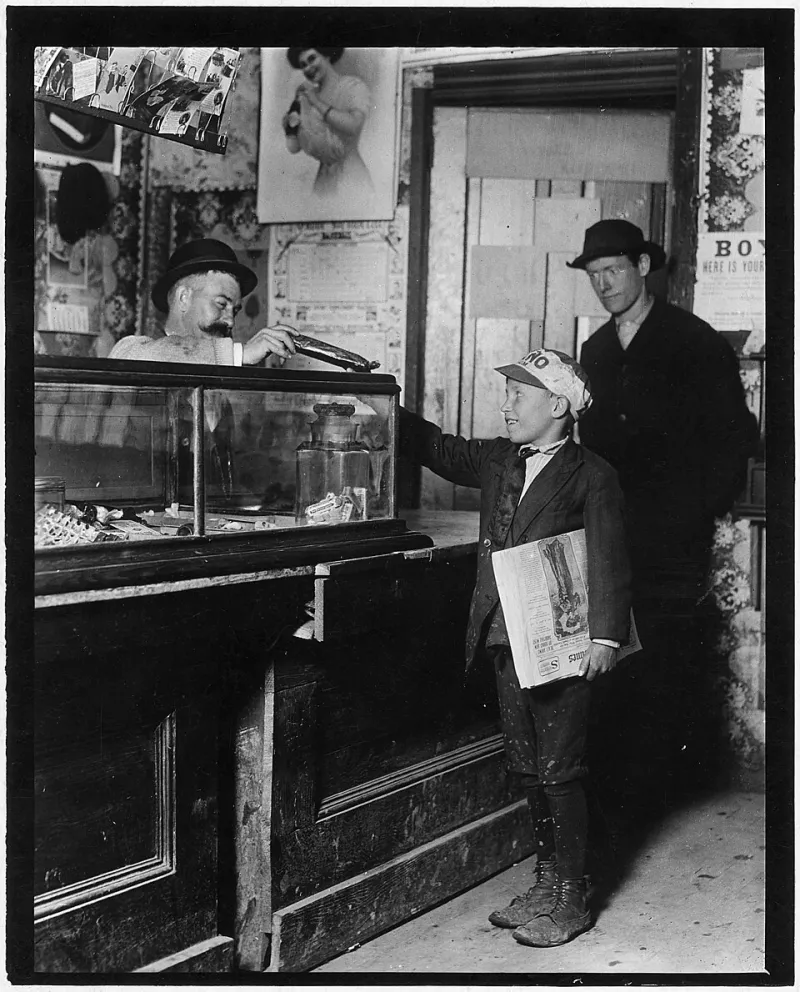
Walk into almost any old-school candy shop in America and you'll spot it: a jar of black licorice, tucked somewhere near the back, half full. Ask the owner about it and watch what happens. They'll either tell you it sells steadily, quietly, week after week — or they'll tell you they stock it out of pure stubbornness.
There is no middle ground with black licorice. It might be the only candy in America where the majority of people actively dislike it and a small, fierce minority would fight you for the last piece. And after years of watching trends come and go through our counter, we've come to appreciate what that divide really means.
The Case of the Soapy Flavor
Start with the science, because it explains a lot. The distinctive flavor comes from anethole, the same compound found in anise and fennel. Here's the strange part: a meaningful chunk of the population carries genetic variations that make them perceive anethole as intensely bitter or soapy rather than sweet and herbal.
So when your uncle insists licorice tastes like dish soap, he's not being dramatic — he's reporting what his taste buds actually detect. Meanwhile, the person next to him tastes warm, floral sweetness with a faintly medicinal edge. Two people, one piece of candy, two completely different experiences. It's genetics masquerading as a flavor preference, which is why no amount of convincing has ever worked in the history of the licorice debate.
The Shop Owners Who Won't Give Up On It
We polled a handful of candy counter operators around the country, and their answers were remarkably consistent.
"I sell more black licorice to people over sixty than everyone else combined," one shop owner in the Midwest told us. "But here's the thing — they buy it every single visit. My chocolate customers are fickle. My licorice customers are loyal for life."
Another owner put it even more bluntly: "It's the only candy I stock where people come in specifically asking for it by name. Nobody wanders in and says 'surprise me with licorice.' They walk through that door on a mission."
That loyalty is the whole business case. Licorice doesn't need to be popular. It needs to be beloved by enough people to justify the shelf space, and it always has been.
Salted, Black, and Proudly Un-American
If you want to see the future of licorice in the US, look to the Upper Midwest. Scandinavian-American communities in Minnesota, the Dakotas, and Wisconsin never abandoned the stuff — they just kept eating it the way their grandparents did: salty.
Salmiak, or salted licorice, uses ammonium chloride to deliver a bracing, savory-salty punch that makes regular black licorice look timid. For decades it was nearly impossible to find stateside outside of specialty imports and church basement gatherings. Now? Scandinavian-style licorice shows up in boutique gift shops and even some grocery chains, riding the same wave that made bitter flavors respectable in coffee and cocktails.
Younger candy shoppers raised on sour, salty, and umami-forward snacks are discovering that licorice was doing bold flavor before bold flavor was cool.
A Congregation, Not a Customer Base
What strikes us most about licorice lovers is how they talk about it. Chocolate fans enjoy chocolate. Gummy fans enjoy gummies. Licorice fans identify with licorice. They swap brand recommendations, rank salt levels, and defend the candy like it's a family member.
Every candy shop has its cult favorites, but licorice might be the only one where the divide itself is part of the appeal. Hating it is a national pastime; loving it is a membership card.
So the next time you're at the counter and spot that dusty jar of black twists, consider it an invitation. Either you're already in the congregation — in which case, welcome back — or you're one genetic roll of the dice away from never understanding it at all. Honestly? We think that's kind of beautiful.
Black licorice doesn't want everyone. It just wants its people. And judging by the empty jars we sweep out every week, it's finding them.