The Puddle Test: Shipping Holiday Chocolate Without a December Meltdown
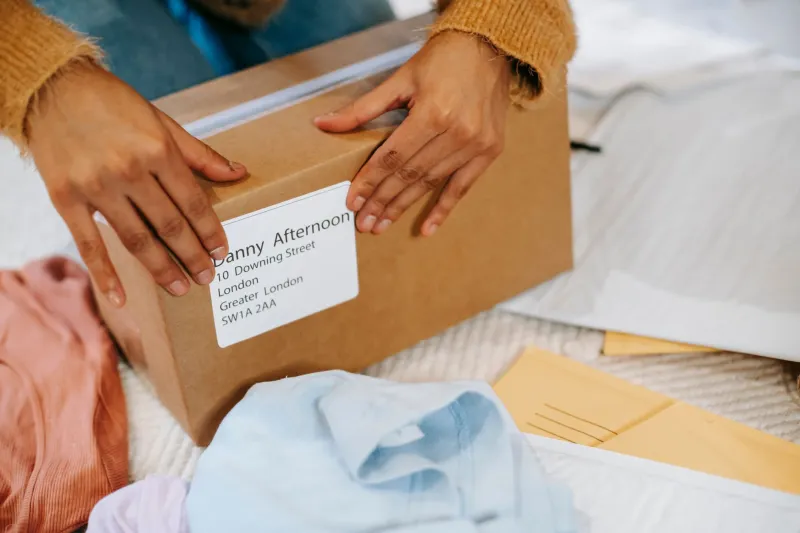
Every December, a candy shop packing bench tells the same story in two acts. Act one: a gift buyer orders a beautiful box of truffles for a friend in Phoenix on December 18 and selects the cheapest shipping option. Act two: the box arrives after New Year, the chocolate has bloomed, and everyone blames the shop. The truth is less dramatic and more useful. Shipping chocolate in December is a logistics problem, not a curse. Candy makers plan for it weeks in advance. Gift buyers can, too.
The cutoff date is not the ship date
A shop’s website may announce an order cutoff, but that date is often the last day it can promise to pack and hand your box to a carrier, not the day it lands on a porch. Those are different deadlines. Ask two questions before you pay: When will this box actually leave the building, and how many transit days does the service include? Then work backward from the date you need it. Add a buffer for weather, hub delays, and the simple fact that December is the busiest month in the parcel system.
Major carriers publish holiday cutoff dates for 2026, and shops post their own versions. Treat both as starting points, not guarantees. A box handed over on the cutoff date can still sit in a trailer. If the gift has to arrive for a specific event, order earlier than the calendar suggests. For cross-country chocolate, earlier is not sentimental advice. It is risk management.
Cold packs are a delay, not a force field
The biggest myth at the counter is that a cold pack keeps chocolate cold all the way to California. It does not. A gel pack absorbs heat for a while. Once it melts, the box warms up. How long that takes depends on the pack size, the insulation, the volume of the box, the outside temperature, and how long the package sits in a truck or on a dock. One small cold pack in a thin box headed to Texas in warm weather is decoration.
Good shops match the pack to the route and the season. They may use thicker liners, more gel, or a faster service. But more cold packs are not automatically better. Excess cold can create condensation, and moisture is its own problem. Chocolate does not need to be refrigerated. It needs a stable, moderate temperature. If a shop advertises temperature-controlled shipping, ask what that actually means: an insulated liner, a two-dayservice, a specific pack count, or a hold at a cooler facility. If the answer is vague, keep asking.
Melt risk is a route, not a zip code
It is tempting to sort the map into hot states and safe states. The real map is messier. The Gulf Coast, Florida, inland Southern California, Arizona, and much of Texas carry obvious risk deep into December. The Midwest and Northeast are cooler, but a box can still sit in a heated truck or a sunny loading dock. The Pacific Northwest is mild, yet a package may cross mountains and spend a night in a hub farfrom either coast.
That is why route matters as much as destination. A box from a nearby shop moving by ground can beat a box from far away moving by air. A two-day service through a southern hub can be riskier than a ground route through cooler country. Ask the shop which service it recommends for your address. If you are sending chocolate to a warm region, choose the faster option or accept that the gift may arrive less than perfect. For risky routes, consider hard candy, lollipops, packaged licorice, or another item the shop identifies as heat-tolerant. Chocolate is wonderful. It is also the diva of the holiday box.
Read the shipping policy like a candy label
A shipping policy is not fine print. It is the contract for your gift. Look for the ship date, the transit service, whether a cold pack is included or costs extra, and whether the shop offers a melt guarantee. If there is a guarantee,a sk what it covers: a replacement, a refund, or a credit. Ask how long you have to file a claim and whether you need photos. Check whether the shop will ship to a workplace, a PO box, an APO address, or a carrier hold location. Some shops pause shipments during heat waves. Some will not replace a box that sat on a porch for six hours. Both policies are fair if you know them before checkout.
The most important line is often the least glamorous: who is responsible once the box leaves the shop? If the answer is nobody, plan accordingly. Ship to someone who will be home. Use a hold-at-location option if the recipient works long hours. Do not let a $60 box of caramels spend the afternoon in the sun because the porch looked convenient.
The packing-bench checklist
Before you hit order, run this list:
- Confirm the ship date, not just the order date.
- Match the shipping speed to the destination and the forecast.
- Ask what kind of cold pack and insulation the shop uses.
- Read the melt policy and the claim window.
- Send to an address where someone can receive the box promptly.
- Choose a hold location if the recipient will not be home.
- Track the package and intercept it if delays pile up.
- For warm routes and tight deadlines, ask for heat-tolerant alternatives.
When the box arrives, do not rush it into the refrigerator. Let it acclimate in a cool room. If the chocolate looks streaky or gray, that is bloom, not spoilage. It is safe to eat, though it may not win a beauty contest. A little planning keeps that from being the story of the gift.
When to send something else
The best holiday shipment is not the cheapest one. It is the one that arrives when it should, in the shape you intended. If the deadline is tight or the route is hot, send hard candy, licorice, or another treat the shop says travels well. Or ship the chocolate to yourself and hand-deliver it. That is not defeat. It is strategy. The packing bench would approve.