Neon or Nothing: The Maraschino Cherry Is the Most Argued-About Bite in the Dessert Case
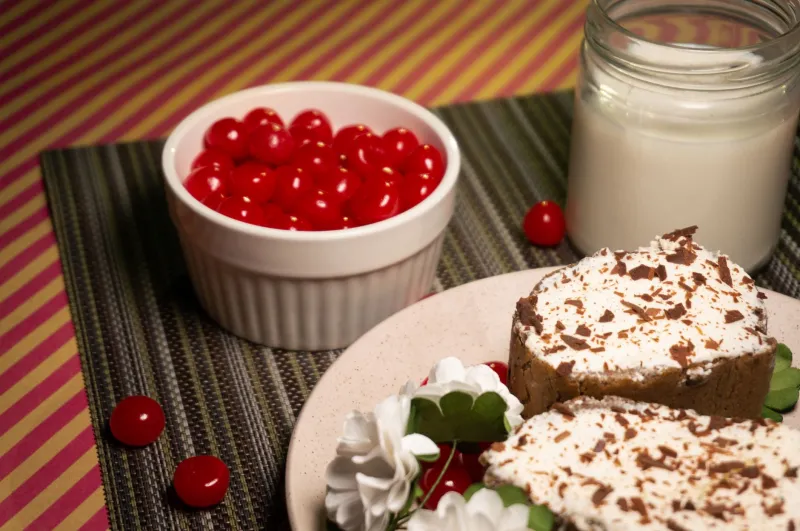
Walk into any old-school ice cream parlor in America and look at the garnish station. There it is: that little neon-red orb, glistening with syrup, perched on top of everything from a hot fudge sundae to a pineapple upside-down cake. Some people see it and light up like it's 1955. Others see it and quietly pick it off the stem, dropping it on the edge of the plate like a bad date.
The maraschino cherry might be the most divisive item in the dessert world, and honestly, we love a good fight at the counter.
It Didn't Start This Way
Here's the twist: the original maraschino cherry had nothing to do with that glow-in-the-dark red. The word comes from the marasca cherry, a small, tart fruit grown along the Croatian coast, which was preserved in maraschino liqueur and served as a delicacy in fancy European hotels. When the tradition crossed the Atlantic in the late 1800s, it landed right at home in America's booming soda fountain culture.
Prohibition changed everything. With liqueur off the table (literally, in most public places), producers needed a new way to preserve cherries. Enter the process we know today: cherries — usually light, firm varieties — get soaked in a brine solution with sulfur dioxide to bleach them pale and firm them up, then rinsed, soaked in sugar syrup, and dyed that unmistakable red with food coloring. A hit of almond-like flavoring rounds it out.
Is it glamorous? No. Is it consistent, shelf-stable, and cheap? Absolutely. And that's exactly why it conquered every sundae glass in the country.
Why the Haters Have a Point
Let's be fair to the anti-maraschino camp. The modern version is, chemically speaking, a cherry in name only. The bleaching-and-brining process strips out most of the fruit's natural color and flavor, and what goes back in is sugar, dye, and artificial almond essence. If you've ever bitten into one expecting actual cherry flavor and gotten sweet almond syrup instead, you understand the disappointment.
There's also the texture issue. That signature firmness — the thing that keeps a cherry intact through two scoops of rocky road — comes from the brining process itself. It's a feature for the soda fountain and a bug for the fruit purist.
Why the Loyalists Do Too
But here's where we push back. The maraschino cherry was never trying to be fruit. It's a confection — a candy that happens to have grown on a tree first. Nobody complains that a gummy bear doesn't taste like a bear. The neon cherry belongs to the same family as the candy cane and the sprinkle: pure, unapologetic dessert theater.
And there's the nostalgia factor, which in the candy world is not a small thing. For millions of Americans, that cherry on top is the difference between ice cream and an event. Take it away and you've got dessert. Leave it on and you've got a memory.
The Fancy Upgrade Is Real — So We Tasted It
Here's the trend part, and it's a big one: artisanal producers have been quietly rebuilding the maraschino from the ground up. Premium jarred cherries — brandied, wine-soaked, naturally dyed with beet juice or real marasca liqueur — are showing up in better cocktail bars and, increasingly, in candy shop cases alongside the classic jarred standby.
So we lined up five jars, from the grocery-store classic to a small-batch brandied number, and settled the matter the only way we know how: spoon by spoon.
The Classic Jar (the red one you're picturing). Sweet, almond-y, aggressively firm. Tastes like every birthday sundae you've ever had. As a standalone snack: questionable. On a hot fudge sundae: correct.
Naturally Dyed Grocery Upgrade. Beet juice instead of Red 40, slightly softer texture, a little more actual cherry flavor. A nice middle ground for skeptics who still want the look.
Michigan Tart Cherry in Syrup. No dye, no brine — just real Montmorency cherries. Tart, jammy, gorgeous. It loses points for looking nothing like the cherry people expect on their sundae, and gains them all back on flavor.
Amarena-Style Italian Cherries. Dark, syrupy, sophisticated. These belong over vanilla gelato or in a Manhattan, not on a kids' banana split. Different job entirely.
Small-Batch Brandied Maraschino. The full-circle moment: actual marasca cherries, actual liqueur, deep cherry flavor with a warm boozy finish. The best of the bunch for adults, and proof the old-world version earned its reputation.
So Which One Wins?
We're not going to pretend there's one answer, because the whole point of the maraschino cherry debate is that both sides are right. The classic neon cherry is a candy, and a great one at that — it deserves its spot on the sundae for the same reason sprinkles deserve the rim of the glass. The premium versions are a different product for a different moment, and we're glad they exist.
Our recommendation? Stock both. Put the classic red on the fountain treats and the brandied ones on the affogato. That's not a compromise — that's a well-run candy counter.
And if you're still picking the cherry off and leaving it on the plate? That's fine too. More for the rest of us.