The Last Penny Jar: How One Kansas Town Fought to Bring Its Candy Counter Back to Life
Photo: Steve Shook from Moscow, Idaho, USA, CC BY 2.0, via Wikimedia Commons
For thirty-one years, the bell above the door at Hollis's Sweet Shop rang the same way: a bright little ding that meant someone was about to be greeted by name.
Then, in October of last year, it didn't.
When the Bell Goes Quiet
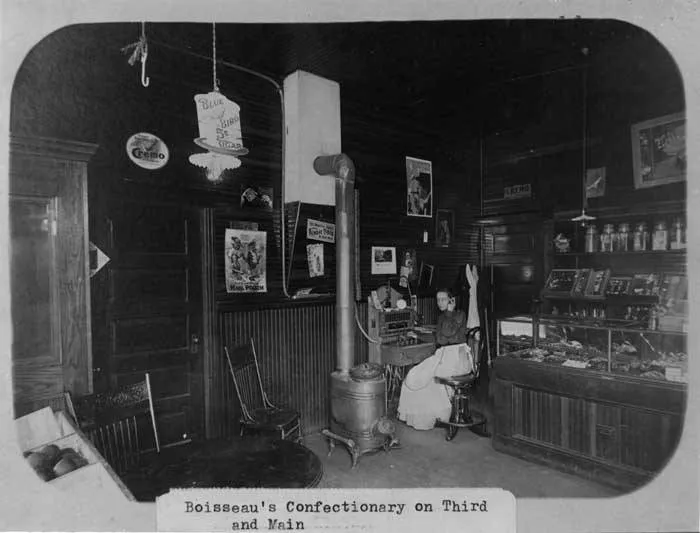
Wabaunsee, Kansas sits about halfway between Topeka and Manhattan—a town of roughly 900 people where the high school football field doubles as the community center and the nearest stoplight is a rumor. For three decades, Hollis's Sweet Shop was the closest thing the town had to a town square. Kids pooled quarters for wax bottles. Farmers stopped in for black licorice on their way home. The penny jar by the register—free grab for any kid under ten—was refilled every Saturday by owner Doris Hollis herself.
When Doris retired and no buyer stepped forward, the shop's windows went papered over. And that's when people started noticing something odd: they weren't just missing the candy.
"I ran into half the town at the gas station, all of us looking for something to do with our afternoon," says Marty Kessler, a retired mail carrier who'd been a regular since the Reagan administration. "That shop wasn't a store. It was where we found out who needed a casserole and who needed a ride to the doctor."
The Town That Wouldn't Let Go
What happened next wasn't a grand plan. It was a potluck.
A group of regulars started meeting at the Methodist hall, kicking around ideas—fundraisers, a co-op, letters to the state's small business development office. Somebody posted about it in a Facebook group for rural revitalization, and the story traveled. A local paper in Topeka picked it up. Then a Wichita TV station did a segment titled, somewhat dramatically, "The Town That Lost Its Sweetness."
Doris, for her part, was skeptical of all the fuss. "It's candy," she told us over the phone, laughing. "I mixed fudge in the same pot for thirty years and never once thought of myself as a landmark."
But the fuss worked in a way nobody expected. Because two hundred miles away, a couple was watching that news segment and taking notes.
The New Kids at the Counter
Ava and Daniel Okafor had been looking for a change—Daniel out of logistics, Ava out of restaurant management, both tired of jobs where nobody learned their name. They drove to Wabaunsee on a Saturday, ate lunch at the diner, and counted how many people waved at them.
"Eleven people waved," Ava says. "We counted. We were like, either this town is very friendly or this is a sign."
It took fourteen months of savings, an SBA microloan, and a crash course in caramel chemistry ("Doris left us her notebook," Daniel says, "and we still don't fully understand page six"). But last spring, the bell above the door rang again. The new sign reads Hollis & Okafor's—and the penny jar is back, refilled every Saturday, same as ever.
Why a Candy Counter Still Matters
Here's the part that surprises people who live where delivery is easy: in towns like Wabaunsee, you can get almost anything shipped now. Candy included. But you can't ship a place to sit. You can't ship the person behind the counter who knows your grandkid's name and asks about her softball season.
The numbers back up what Wabaunsee figured out on its own. Small-town general and specialty retailers have quietly stabilized over the past few years, and food-focused shops—candy, ice cream, bakeries—consistently punch above their weight as third places: the spots that aren't home and aren't work, where community actually happens.
Ava puts it plainly: "Anyone can order a bag of taffy online. Nobody can order an afternoon."
The First Saturday Back
On reopening day, the line stretched past the barber shop. Doris cut the ribbon, then stood in the back and cried while a new generation of ten-year-olds discovered the penny jar. Marty Kessler bought the first box of black licorice—"somebody has to keep them honest."
The Okafors have since added a coffee counter, a small wall of locally made honey candies, and a bulletin board that has become, of all things, the town's unofficial message center. Lost dogs found. Rides offered. A piano for sale.
Doris still comes in most Tuesdays to check the fudge. She says the new owners overcook it sometimes. She says it's getting better.
The bell still rings the same way.