Behind the Bulk Bins: The Invisible Hand That Picks Your Candy Aisle
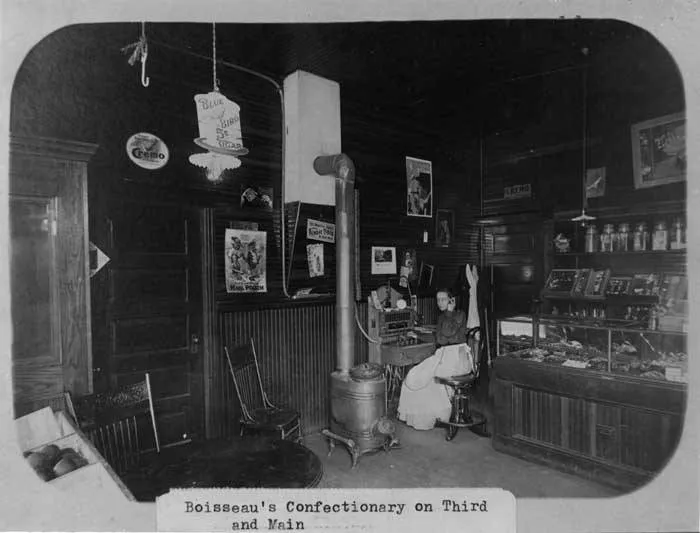
Photo: Unknown authorUnknown author, Public domain, via Wikimedia Commons
Walk into almost any candy shop in America and you'll spot them: the gummy bears, the saltwater taffy, the chocolate-covered peanuts, the rock-solid caramels in the cellophane twists. Different sign above the door, same forty-or-so sweets inside. It's not laziness, and it's definitely not a lack of imagination. It's math.
The Distributor Is the Gatekeeper
Most independent candy shops don't buy directly from manufacturers. They buy from regional distributors, and those distributors come with catalogs — and catalogs come with minimums.
"If I want a new sour candy from a small brand, I might have to order six cases to get it on the truck," explains a shop owner in western Massachusetts who asked to remain unnamed because, as she put it, "I still need my rep to like me." Six cases of an unproven treat is a gamble. Six cases of Haribo Gold-Bears is Tuesday.
That's the first filter: not taste, not trendiness, but whether a product can survive a wholesale minimum without turning into dead inventory.
Regional Taste Data Runs Deeper Than You Think
Distributors aren't just pushing catalogs — they're reading the room. Sales data from shops across a territory tells them what actually moves in, say, the Carolinas versus coastal California.
Some patterns are well documented. Peanut butter candy sells hard in the South and Midwest. Licorice overperforms in the Upper Midwest and parts of New England. Mexican-style candy with chili and tamarind has grown from a regional staple to a national shelf fixture over the past decade. When a distributor recommends a lineup for a new shop, they're not guessing — they're handing over a decade of receipts.
The result is a kind of soft conformity. A shop in Ohio and a shop in Oregon might carry 80 percent of the same lineup, not because anyone's copying anyone, but because the data points the same direction in most zip codes.
Why Gummy Bears Always Win
Here's the uncomfortable truth every candy retailer learns: the trendy stuff is a sprint, and the classics are a marathon.
Viral candies — the freeze-dried everything, the hyper-sour challenges, the imported novelty bars — spike hard and then fall off a cliff. A shop owner in Texas told us his freeze-dried Skittles did "insane" numbers for about five months, then dropped to a trickle. Meanwhile, his gummy bear sales haven't moved more than a few percent in either direction in eight years.
That consistency matters more than the ceiling. Gummies have a long shelf life, a wide age appeal, a price point that works for a quarter-cup scoop or a gift tin, and almost zero seasonal dependency. A novelty candy has to earn its spot every single month. A gummy bear just has to exist.
The Forty-Treat Formula
Ask around and a pattern emerges. Most successful shops run their counter on a rough split:
- The anchors (60-70%): Proven sellers — gummies, caramels, chocolate nuts, taffy, jelly beans. Boring on a spreadsheet, unbeatable on a balance sheet.
- The seasonal rotation (15-20%): Candy corn in October, conversation hearts in February, Peeps-adjacent items in spring. These come and go on schedule and never overstay.
- The wildcards (10-15%): The new stuff. The imported bars, the viral TikTok finds, the local honey caramels from the guy two towns over.
That wildcard slice is where the fun lives — and it's deliberately small, because every failed wildcard is money in a bin nobody dips into.
So Why Does Your Local Shop Feel the Same?
Because it's not really competing on novelty. It's competing on experience: the scoops, the jars, the person behind the counter who remembers you hate coconut. The forty sweets that never change are the stage; the shop itself is the show.
And honestly? There's something reassuring about walking into a candy shop in a new city and finding your bear-shaped friends waiting in the bin, exactly where the data said they'd be.