Shelf Life: What Really Happens to Your Candy Aisle Every January
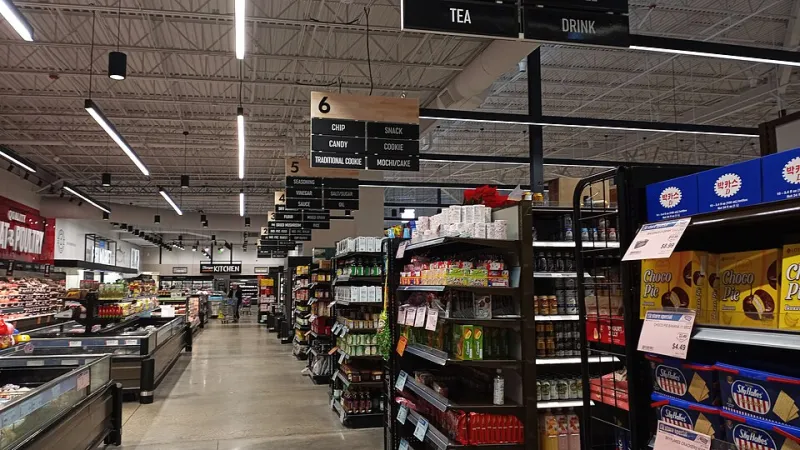
Photo: MatthewHoobin, CC0, via Wikimedia Commons
Every January, somewhere in America, a candy buyer sits down with a spreadsheet and ends a candy's life.
No funeral. No press release. Just a planogram — one of those color-coded shelf maps — with a new line drawn where your favorite treat used to live. If you've ever wandered a grocery aisle in early February wondering why the salted caramels you bought all fall are suddenly gone, you've witnessed the candy aisle shuffle. It happens every year, and it's more calculated (and more cutthroat) than most shoppers realize.
The Shelf Is Real Estate — and Rent Is Due
"People think shelf space is just... there," says a Midwest grocery chain candy buyer we'll call Dana, who asked not to be named because, well, she still has to work with every major confectionery brand. "It's not. Every inch is negotiated, measured, and reviewed. If a product doesn't earn its spot, it's out."
In the industry, this is called slotting — the practice of brands paying (sometimes significantly) for prime shelf placement, and retailers holding the line on performance metrics. A candy that sits at eye level might need to outsell the one near your shoes by a wide margin to justify the real estate.
And January is audit season. Holiday sets come down, Valentine's inventory goes up, and anything that limped through the fourth quarter gets a hard look. "We call it the great reset," Dana laughs. "Two weeks in January, half the aisle is in flux."
Seasonality Is a Tyrant
Here's the part that frustrates candy lovers most: some products aren't discontinued — they're just seasonal by contract. That peppermint bark? It may only be licensed and produced for a window from October through December. The brand isn't being cruel; the manufacturing calendar, packaging commitments, and retail agreements simply don't leave room for year-round production.
A brand representative for a family-owned confectioner (who also requested anonymity) put it bluntly: "We'd love to make our winter caramels twelve months a year. But our co-packer dedicates those lines to other clients in spring. It's logistics, not a conspiracy."
Other times, though, it is a conspiracy of spreadsheets. If a SKU underperforms in one region, a national buyer may cut it everywhere — even in the zip codes where it sold like crazy. Candy fans in one state can doom or save a treat for the entire country without ever knowing it.
The Bottom Rack of Broken Dreams
Notice that clearance endcap in early January? Those marked-down boxes of holiday truffles and neglected novelty bars aren't just leftovers — they're evidence. Once a seasonal item hits markdown, its fate is essentially sealed for next year. Buyers log the sell-through rate, and if the discount bin ate too much of the inventory, the product's slotting fee justification evaporates.
"The saddest thing I see," Dana says, "is a great candy that got a bad shelf position, flopped, and got cut. Placement can kill a product as easily as taste."
How to Fight Back for Your Favorites
You have more power than you think — but you have to use it loudly. Candy industry vets shared a playbook:
- Ask at the service desk, not the shelf. Requests logged through the store's official system get tallied and reported to buyers. Muttering at an empty peg does not.
- Name the product and the size. "Bring back the 8-ounce tin" is actionable. "Bring back that caramel thing" is not.
- Buy during the season, every season. Sell-through data is the only language slotting negotiations speak. Waiting for clearance is how favorites die.
- Go straight to the brand. Confectionery companies track consumer requests, and a spike of emails or social tags can justify a limited-run return — or a direct-to-consumer option on their website.
- Check the regional players. When national chains drop a treat, regional grocers and independent candy shops sometimes pick it up. Call around; small shops love a loyal customer with a mission.
The Silver Lining
The shuffle stings, but it's also why the candy aisle stays interesting. Every January's cuts make room for the small-batch caramel maker, the regional peanut brittle, the weird new gummy flavor that becomes your next obsession. Shelf space is finite — and the churn is the price of discovery.
So stock up in season, speak up at the desk, and maybe befriend your local candy shop owner. In this business, the loudest sweet tooths win.