Seventy-Five Years of Goody Bags: What Every Birthday Party Put in the Pile
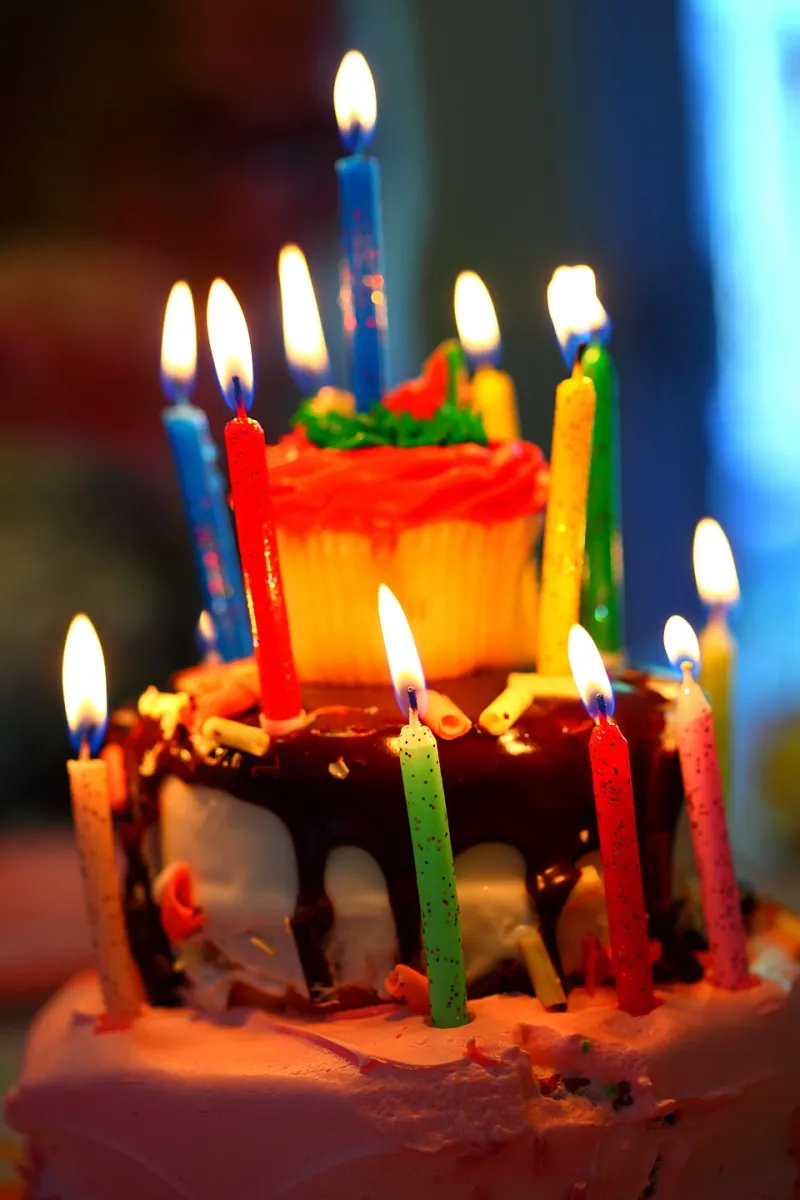
Photo: Pink Sherbet Photography from USA, CC BY 2.0, via Wikimedia Commons
The goody bag is America's most underrated time capsule. Change what's inside it and you can pinpoint the decade without a single hint. So we dug through seven decades of birthday-party candy culture to build the definitive timeline — and turned it into a party theme you can steal for the next birthday on your calendar.
The 1950s: Penny Candy Goes Home With You
Postwar birthdays were all about abundance on a budget. Kids left with paper sacks of penny candy — licorice whips, root beer barrels, cinnamon drops, and the era's most controversial guest, candy cigarettes. (Yes, they were everywhere. No, we don't recommend the nostalgia on this one.) The point wasn't the candy itself; it was the sheer quantity a nickel could buy.
The 1960s: Space Race Sweets
The moon shot changed the snack aisle. Astronaut-themed packaging, Tang-adjacent flavors, and fruit chews in aggressively artificial colors dominated the treat table. Pixy Stix — basically flavored sugar in a straw — were the energy drink of the playground set, and no birthday was complete without a paper cone of them.
The 1970s: The Willy Wonka Effect
Gene Wilder's candy factory hit theaters in 1971 and the whole decade followed. Novelty ruled: Everlasting Gobstopers, Bottle Caps, Fun Dip with its edible dipping stick. The goody bag got weird and wonderful, and gimmick became a flavor category.
The 1980s: Peak Novelty
If you were at an '80s birthday, your bag contained at least three of the following: Nerds in the double chamber, Pop Rocks (post-urban-legend era), Push Pops, Ring Pops worn as actual jewelry, and a Big League Chew pouch you shredded immediately. Candy stopped being just food and became a toy with sugar attached.
The 1990s: Sour Takes Over
Warheads launched an arms race of pucker, and Airheads stretched the definition of chewy. Squeeze-it juice barrels and Gushers blurred the line between snack and candy. The goody bag was loud, sour, and probably stained somebody's tongue blue.
The 2000s: The Branded Era
Candy got corporate-chic. Hershey's kisses in wedding-style favor bags, M&M's in custom colors, and the rise of the "candy buffet" — glass apothecary jars of matching-colored sweets arranged like a centerpiece. The goody bag briefly became a design statement.
The 2010s: Artisanal Everything
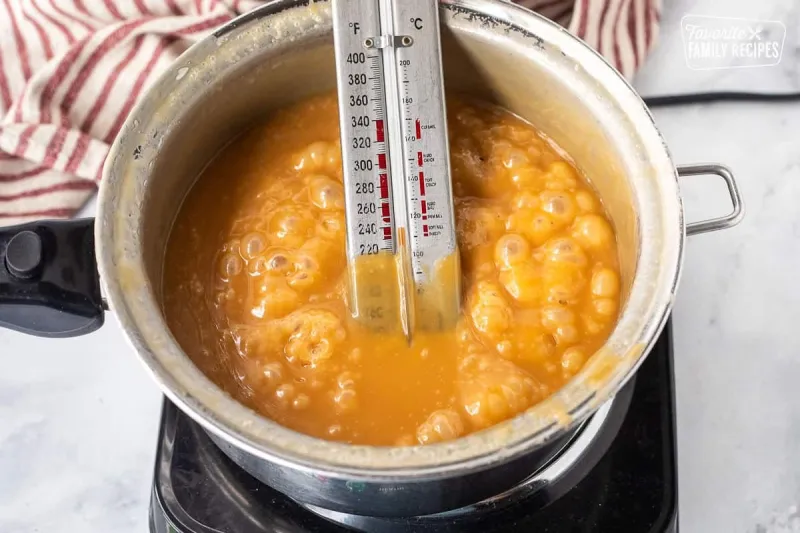
Salted caramel arrived and never left. Small-batch toffee, bean-to-bar chocolate, and gourmet s'mores kits made their way into bags alongside the classics. Adults started wanting goody bags too, and nobody was mad about it.
The 2020s: Freeze-Dried and Filter-Famous
TikTok did what decades of marketing couldn't: made freeze-dried candy a category. Crunchy, aerated, shatteringly light versions of familiar treats dominate party tables now, usually filmed mid-crunch. The goody bag has become content.
Your Decade Party Cheat Sheet
Want to throw the whole timeline at once? Here's the plan we use:
- Pick one decade per table (or per hour, for the ambitious) and stock each with two or three era-appropriate treats.
- The 1950s table: Root beer barrels, licorice, wax bottles. Skip the cigarettes.
- The 1970s-80s table: Fun Dip, Nerds, Pop Rocks, Ring Pops.
- The 1990s-2000s table: Warheads, Airheads, M&M's.
- The now table: Freeze-dried anything, plus a local caramel or small-batch chocolate for the adults.
- The activity: Blind taste-test across decades. Guests guess the era. Loser gets the Warheads.
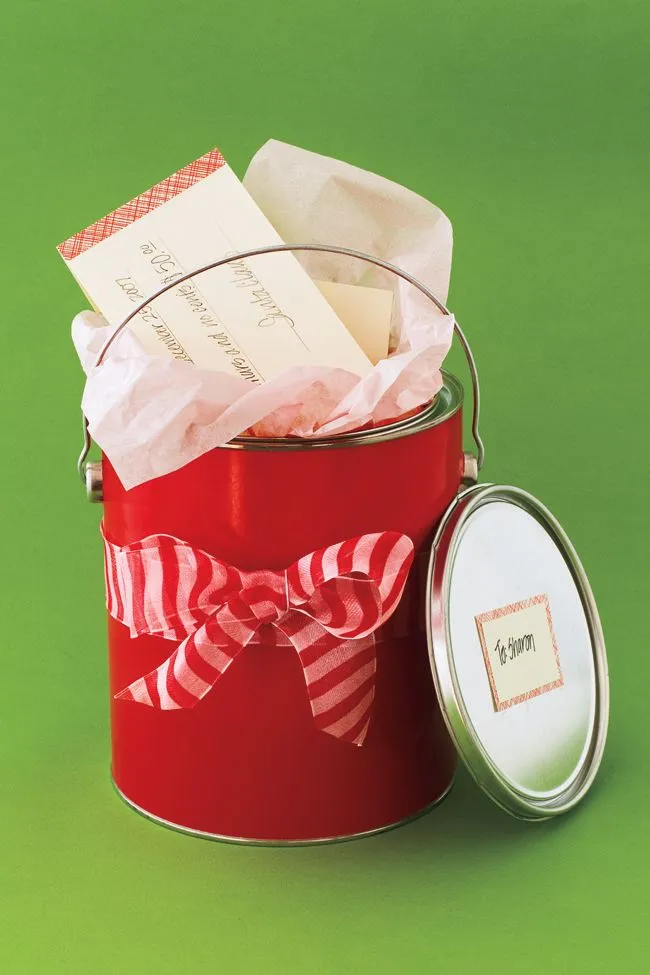
- The favor: A mini "time capsule" bag with one candy from each decade, labeled by year.
Seventy-five years of birthdays, one table. Frankly, we can't think of a better way to blow out the candles.